Print Methods
Part of Print methods for POD products
Choosing suitable products and designs for sublimation
Check material, coating, base colour, construction and care before choosing sublimation for POD apparel or mugs.
Choose sublimation for apparel made from 100% polyester or a high-polyester blend, or for a hard blank with a purpose-made polymer coating. A white or light base supports clear colour; 100% cotton, bare hard surfaces and dark bases are poor fits.
Check the receiving surface
Sublimation transfers dye from paper with heat, bonding it with polyester fibres or a suitable coating. It does not add an opaque white printed layer.
For fabric, choose 100% polyester or a high-polyester blend. A 65% polyester, 35% cotton blend can give a softer, more faded vintage result, while 100% cotton does not provide polyester fibres for the dye to bond with.
Hard-surface examples include coated mugs and tumblers, coated phone cases and coated aluminium signs. Mousepads, coasters, puzzles, photo panels, keychains, luggage tags and ID badges are also named as sublimation products; choose a blank with a purpose-made polymer coating.
Wood and bare metal are not suitable hard-surface blanks for sublimation. Do not assume a mug or other product is coated just from its name; check the exact item’s coating and stated print method.
Sublimation vs. Other Print Methods: Material Compatibility
- 100% Polyester Fabric
- Suitable for sublimation
- 65% Polyester / 35% Cotton Blend
- Partial suitability – vintage look possible
- 100% Cotton Fabric
- Not suitable – no dye bonding
- Coated Mug (Polymer Coating)
- Suitable
- Uncoated Mug
- Not suitable
- Wood or Bare Metal
- Not suitable
Check whether the design fits
Sublimation ink is translucent, so the base colour shows through the design. White and light bases suit pale colours and detailed artwork; dark bases can obscure the print, and a red design on yellow can appear orange.
Full-colour photos, gradients, patterns and broad graphics suit a compatible surface. Do not rely on pale colours showing clearly on a dark base.
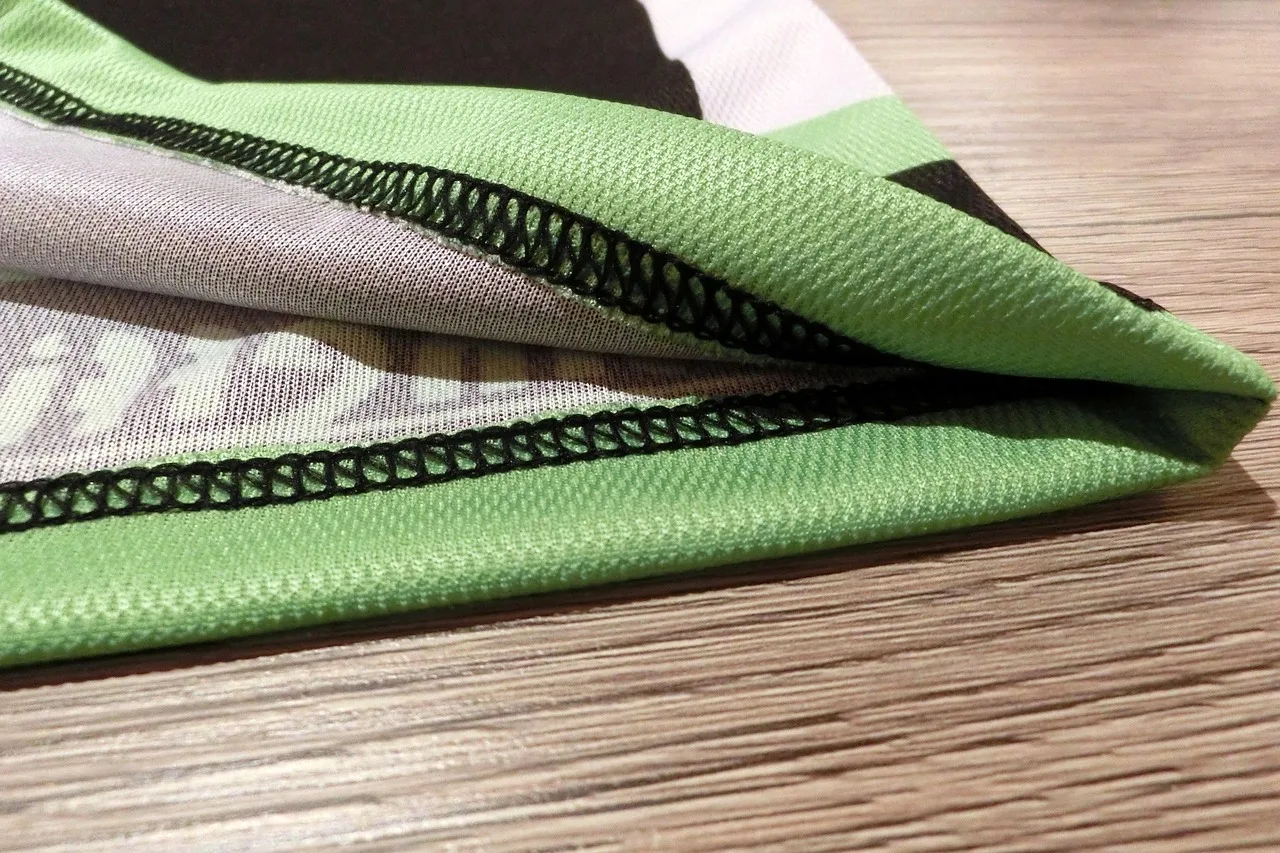
Check whether fabric is printed before cut and sew or after the item is made. Seams and folds can expose more of the white base, and pattern alignment may vary, so “all-over print” does not guarantee uninterrupted coverage.
Keep important lettering and faces clear of seams and folds. A design that requires a line to meet exactly across a seam needs revision or another product.
For a mug, check its size, shape, coating and printable area, including where the image stops near the handle. Follow care instructions for the exact item and variant; “sublimated mug” alone does not justify a dishwasher claim.
Key Sublimation Performance Facts
- Ink Transparency
- Translucent – base colour affects final appearance
- Best Base Colour
- White or light
- Seam Coverage Risk
- Designs may show white base at seams
- Care Limitations
- Not all sublimated mugs are dishwasher-safe – check variant-specific instructions
Decide on the item
For the exact variant, confirm the fibre content or coating, base colour, print method, construction and printable area. Check the product’s size and shape against the artwork at the offered size.
A representative item can help assess colour, coverage and care performance, but one sample cannot prove identical placement or wear on future items. Record the product, variant, artwork version and print route, and reassess if the surface, colour or construction changes.
Pros and Cons of Sublimation Printing for Apparel and Hard Goods
- ProsVibrant, durable prints that won’t crack or fade; full-colour coverage with gradients and detailed artwork; ideal for all-over printing on polyester fabrics and coated hard surfaces
- ConsTranslucent ink means base colour shows through; poor results on dark or non-polyester materials; design may not align perfectly across seams; care instructions vary by product variant