Supplier Selection
Part of POD apparel quality
Reviewing fabric descriptions against samples
Fabric copy often compresses several facts into one adjective.
Review each factual statement in the fabric copy against the supplier specification and physical sample. Compare fibre composition, fabric weight and unit, knit or weave, lining, care information, and the exact colour or variant.
Treat words such as “soft”, “heavy” and “breathable” as descriptions, not measurements. Handling a sample can reveal differences in drape, stretch, thickness and hand feel, but one sample cannot show whether every unit feels identical.
Separate facts from impressions
Compare the stated fibre composition with the supplier specification and sample tag, including the percentages if provided. Check the specific colour or variant: blended colours can differ in composition. If the specification and tag are unclear or disagree, ask the supplier for a corrected specification.
Record fabric weight in the supplier’s stated unit. GSM means grams per square metre; if a weight is given in oz/yd², 1 oz/yd² is approximately 33.906 GSM, so keep the original unit and record any conversion separately.
A GSM cutter and precision balance can support controlled mass-per-area measurement when used with an appropriate sampling and conditioning procedure. For example, a 10 cm × 10 cm specimen has an area of 0.01 m²; at 2.20 g, its calculated weight is 220 GSM. A small swatch describes that swatch more confidently than an entire roll.
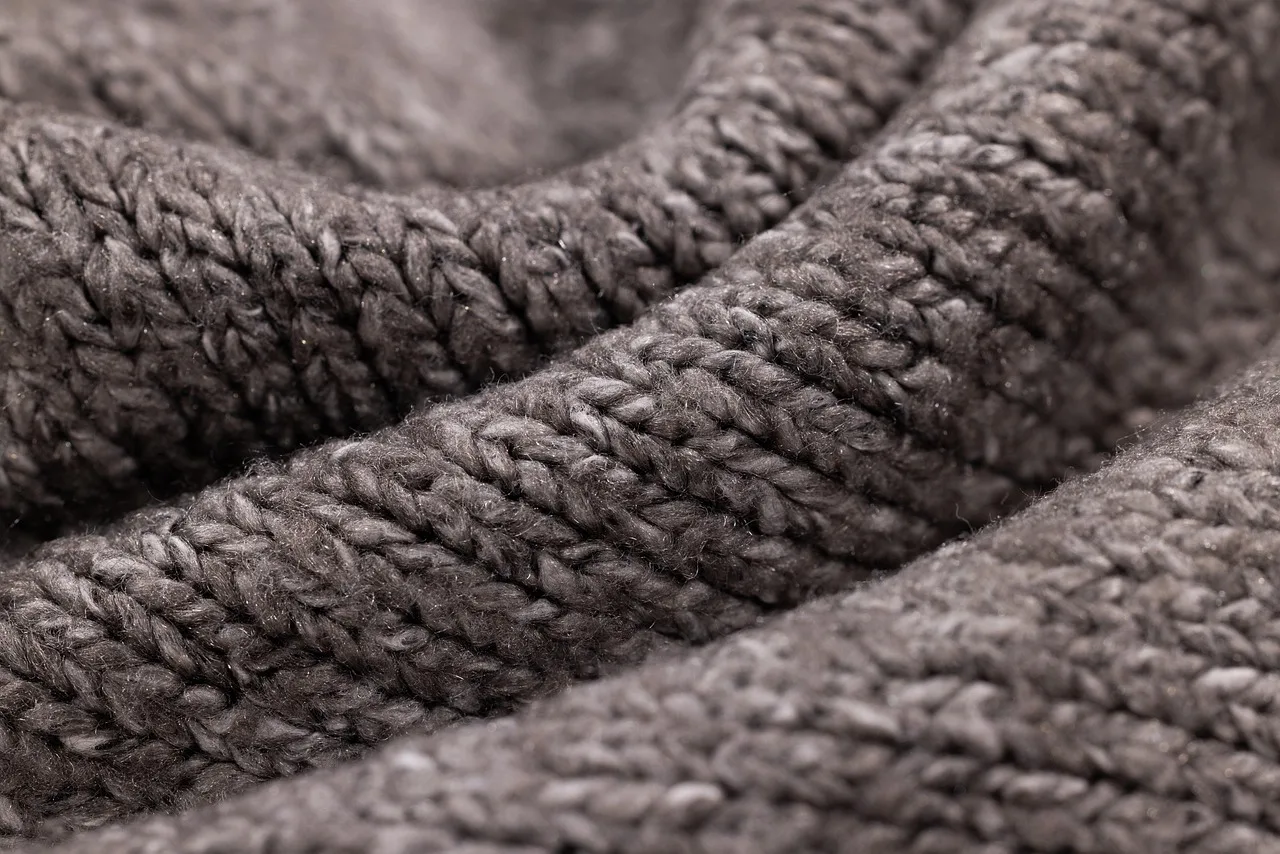
Check the sample’s knit or weave, lining and care information against the copy and specification. Record what you observe about drape, stretch, thickness and hand feel in plain, qualified language.
Fabric Description vs. Sample: Key Attributes Check
- Fibre Composition
- Matched to supplier spec and sample tag
- Knit or Weave Type
- Confirmed as plain knit from sample observation
- Lining Material
- None (confirmed by sample and specification)
- Care Information
- Machine wash cold, tumble dry low – matches label
- Drape & Stretch
- Moderate drape, slight stretch (hand feel observed)
Check the customer promise
For each comparison, record the copy claim, supplier-spec value and version, sample tag or observation, unit, any variance, your decision and the date. Keep the record with the product information, especially when switching blanks.
If the copy says “breathable” but the review confirms only composition and GSM, the claim is not established: GSM alone does not predict breathability. Replace it with the confirmed composition and weight, and leave out the performance claim unless it is supported.
If the sample and copy disagree, mark the field as unresolved, ask the supplier for a corrected specification, and do not publish the disputed claim until it is confirmed. If the listing is already live, correct it to match the confirmed information.
Under the Australian Consumer Law, a product must match its description and any sample shown; a mismatch may entitle the consumer to a remedy. The ACCC can require businesses to back up product or service claims and may investigate and take compliance or enforcement action if a business misleads.
Show customers the material facts and care information they need to choose. Avoid using “premium” instead of specifics, and avoid untested performance claims such as “never shrinks”.
Key Compliance and Measurement Facts
- ACCC Consumer Protection
- Product must match description and sample; mismatch may trigger remedy under ACL
- Australian Consumer Law (ACL)
- Businesses must substantiate claims; ACCC enforces compliance